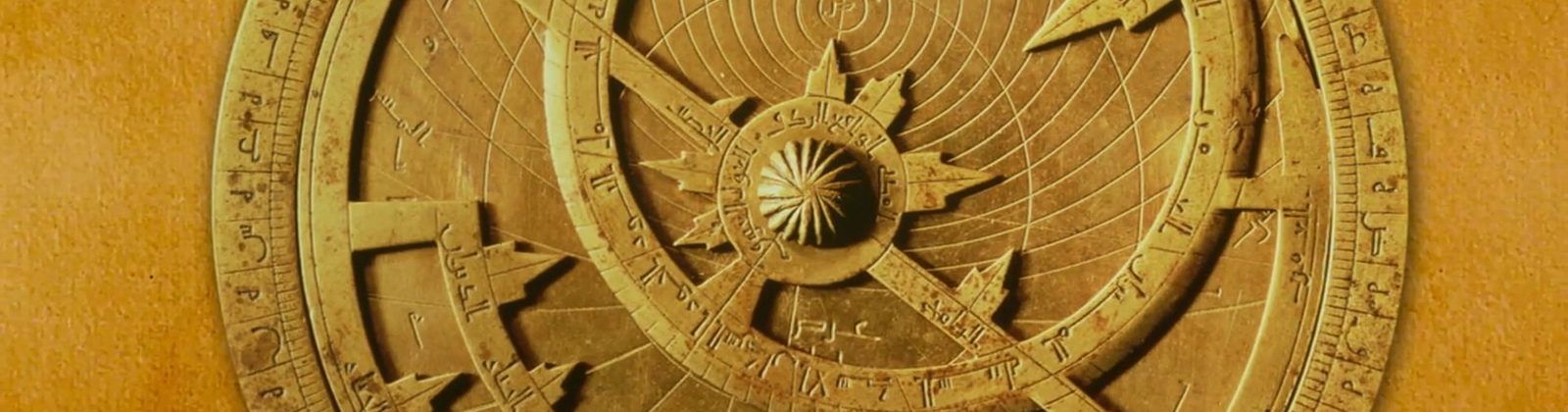
Metallurgy is the science of working with metals. It includes mining, refining and processing the ore (raw rock containing metals), and fashioning metal into useful and beautiful things. Because it is heavy work with special requirements, metallurgy also involves engineering, chemistry, and the control of fire.
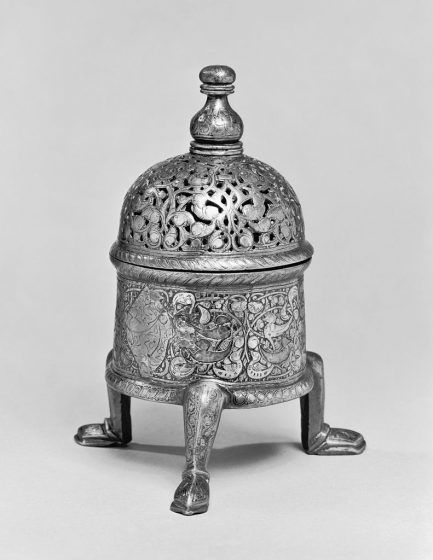
The Iberian Peninsula, with its varied Mediterranean landscape, had long been a center of mining, and the long tradition of metallurgy set the stage for metalwork in Islamic Spain. Already during Roman times, silver, gold, iron, lead, copper, tin, and other metals were mined in Spain. The revival of these mines for silver, gold, iron, lead, copper, tin, and cinnabar (mercury ore) left them with their Arabic names, such as Almadén and Aljustrel. According to the Andalusian geographers and other records, mining was fully developed, with centers of mining at Jaen and Algrava for gold and silver, Córdoba for its iron and lead, Malaga for rubies, and Toledo and Murcia for iron. Spain was a major source of mercury mining, as noted by the geographer al-Idrisi.
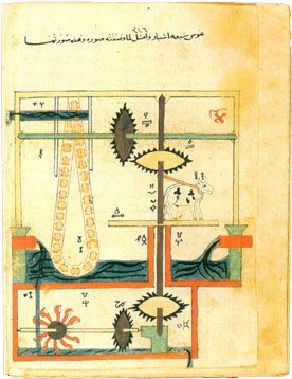
Techniques of mining also required ways of drilling into rock and drawing water out of the mines with the use of pumps, as well as pumping air in and dangerous gases out. Several different models by the 13th-century Muslim engineer al-Jazari, like the one at left, used gear and suction systems to safely remove water from underground. The writer al-Qazwini (1203-1283 CE) described such three-stage pumps in use at the silver mines in Morocco. This technology caused the metalwork of Islamic Spain to be renowned throughout the Mediterranean.
Metal ores require processing to purify or refine the metal, separating metals that often occur together in rock. This required knowledge and experience of building furnaces that could reach and hold very high temperatures, and of which chemical substances would combine with the unwanted minerals, leaving the pure metal behind when burned or heated in the presence of the metal ore. Some of the most famous writers on this subject were al-Biruni (973-1048 CE), al-Kindi (ca. 801–873 CE), and Jabir ibn Hayyan (d. ca. 815 CE), who worked to gather and record this information from across Afroeurasia. These useful works were available in the libraries of Al-Andalus, and many were translated into Latin. Combined with European knowledge, they laid the foundation for modern industrial metallurgy.
Iron and steel production was carried out at Toledo and other Spanish centers using techniques brought from India, Persia, and Damascus — the famous damascened or watered steel for swords, armor, and tools. Geographer Ibn Hawqal wrote: “Toledo, like Damascus, was known throughout the- world for its swords.”
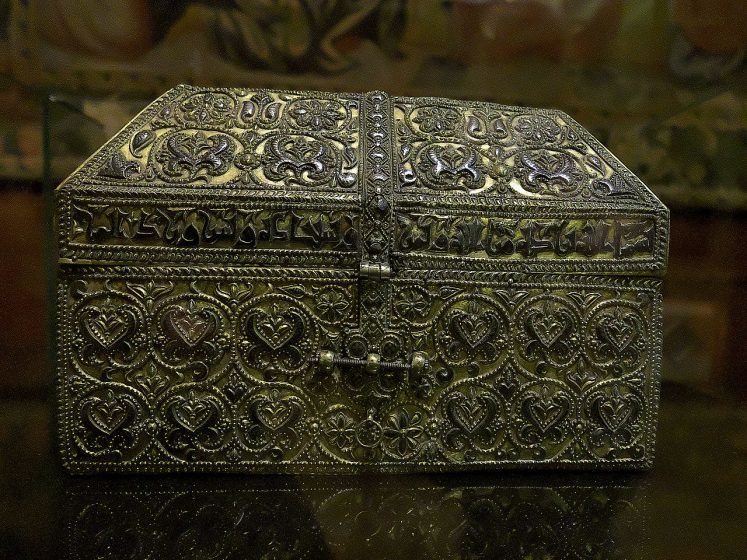
A historian writes that the art of inlaying steel and other metals with gold and silver decorations flourished in several European and Spanish centers and left such words as “damascene” in the English, French and Latin vocabularies. Armor and cutlery were also decorated using techniques such as gilding, inlay, gold, and silver encrusting, as well as setting with jewels and enameling. Brasswork was produced at many centers such as Almería, where candlesticks, incense burners, plates, lamps, keys and locks, and other ordinary and luxury goods served customers’ needs. The metalwork of Islamic Spain was responsible for many luxury items of the Mediterranean.
Glazes developed for the ceramics industry, and fixatives for textiles — such as alum — also required chemicals based on metallic oxides. Copper and gold glazes required the pure metal, as in lusterware ceramics, especially the golden luster. Zinc is a metal used in medicines and for other purposes, which was also mined in Spain.
The engineering and chemistry of metallurgy are industrial arts essential to the creation of the modern world. These arts have developed over many centuries in many lands, but the written record of the study of chemistry and the behavior of the elements, along with the experience of artisans in metal provided a sure link from Islamic civilization to Europe during the pre-modern period.
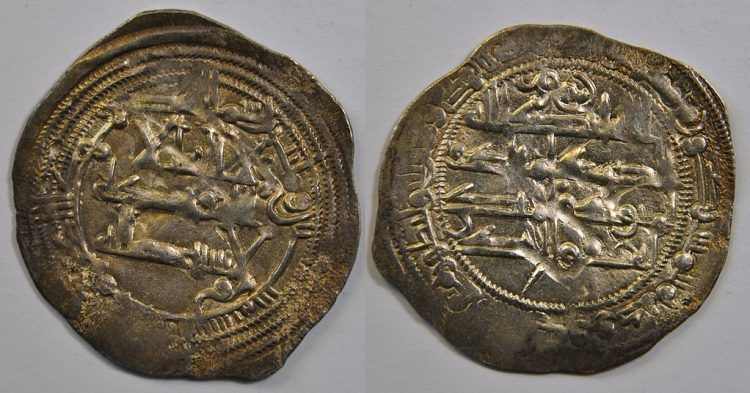
The legacy of mining by the Spanish in the New World is a story of plunder, but it is also a piece of global economic history. When the Spanish conquered territories where there were mines, they already had access to the technologies of mining and processing the ore that had flourished through the industry of metalwork in Islamic Spain. It is thought that Muslim artisans with this knowledge were brought to New Spain, despite the prohibition against their emigration, precisely because their skills were needed. Silver currency using American silver helped globalize currency and trade in the 16th century and was shipped to the Ottoman Empire, Japan, and China, in addition to Europe.
View more metalwork from Islamic Spain and other places throughout the Islamic world from the New York Metropolitan Museum of Art here.