Zoology is the study of animals. Among Muslim and specifically Andalusian writers and practitioners on zoology, there were two types of zoological studies: literary and practical, (related either to agriculture or veterinary medicine). These eventually merged in some ways, with both contributing to the scientific study of animals. Islamic learning inherited three traditions that fused into what we call zoology today. One was the pre-Islamic Arab tradition of nomadism and breeding of horses, camels, sheep and goats, which with the spread of Islam, came in contact with the Indian-Persian and Greek traditions of animal study.
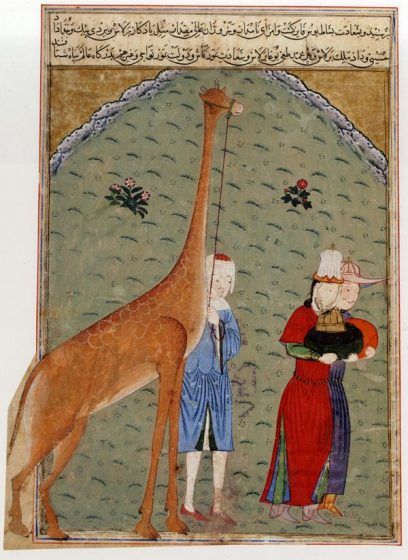
In classical and Medieval times, writers and artists produced bestiaries — a bestiary is a zoo in a book — in which exotic animals were described. Many rulers kept gardens in which exotic animals were raised, such as nightingales and peacocks, and rare animals might feature as royal gifts. Falcons and other animals used for hunting were especially popular, and there were many guides on the art of falconing. Other fields related to zoology were the study of domesticated animals and their care, breeding (reproduction) and veterinary medicine. Sheep, cattle, and especially horses were important, but so were fowl, such as chickens, ducks, geese, and doves.
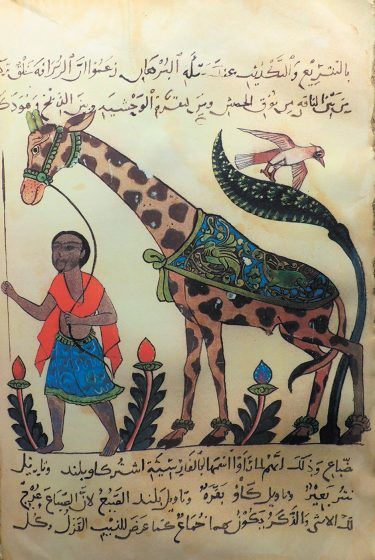
The most famous Muslim writer on animals is al-Jahiz (776-868 CE), a literary figure in Abbasid Baghdad. He was able to draw on the works being translated in the House of Wisdom, and was known to rent bookshops in order to read what they contained. His most famous work is Kitab al-Hayawan, or Book of the Animals, which built upon the work of Aristotle’s Generation of Animals, as well as including stories about animals, verses from the Qur’an and Hadith concerning animals, poetry and proverbs.
The book is not purely zoology, nor is it just a bestiary, because al-Jahiz was an essayist and man of literature who valued entertainment for his audience. He did, however, succeed in inserting many scientific observations into the work. For example, he discusses mimicry and camouflage, sensitivity to light, and the impact of climate and geography on the fauna of a region, and investigates animal behavior, communication and organization into communities, particularly among insects.
Some critics find ideas related to the evolution of creatures and their similarities and adaptations to the environment. Kitab al-Hayawan was produced in many illustrated editions that found their way into libraries across the Muslim lands, including Al-Andalus. In this way, he may be said to have succeeded in his mission of entertaining and informing.
Other writers, such as the Christian Ibn Bakhtishu, wrote in this field. He worked in the House of Wisdom and gained access to Greek works for translation into Arabic there. He wrote The Uses of Animals in a practical vein in the 8th century. Al-Asmai (740-828 CE) contributed to the fields of zoology and animal husbandry (care and breeding of animals). His important work on breeding horses and camels was highly valued and pioneered as a systematic study of scientific breeding, an area in which Arab contributions are still important today. Kamal al-Din al-Damiri wrote a popular Muslim book, The Great Book on the Life of Animals, and Abu Yahya Zakariyya al-Qazwini wrote an encyclopedia, The Wonders of Creation, both in the 14th century CE.
In Al-Andalus, Abu Ubaidah (728–825 CE) wrote more than fifty books on the study of the horse. The Calendar of Córdoba, which was translated and given to the German Emperor Otto during the 10th century, also included information about animal care and breeding, and the use of manure for fertilizer. Al-Ishbili, who wrote in Seville during the 12th century, included livestock rearing and veterinary medicine in his book on agriculture. Ibn al-Awwam’s 12th century Kitab al-Filaha (Book of Agriculture) included both animal husbandry and bee keeping. Ibn al-Baytar’s book on pharmacology included useful medicines for veterinary uses.
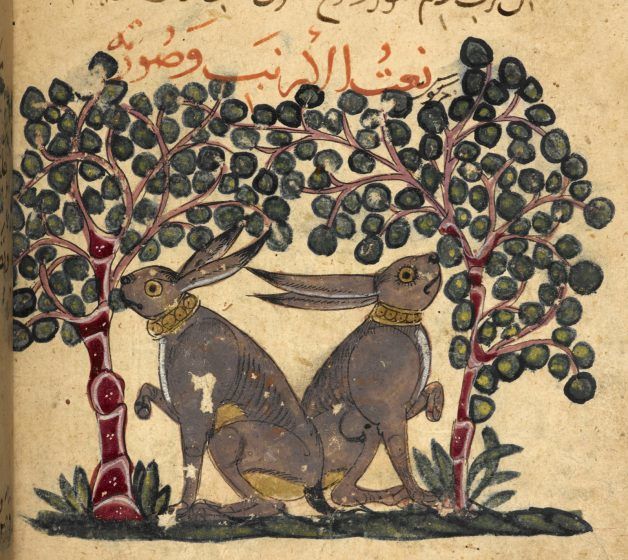
Lasting Influences: The Andalusian horse is one of three breeds from which modern horses descended, and most modern breeds have Andalusian blood. The Andalusian breed was perfected during Muslim rule in Spain, and spread to the New World with the Spanish conquistadors. One of the Arabs’ innovations was the pedigree, or tracing the ancestry of a horse. The Spanish continued this tradition, which has lasted to the present day.
Arab knowledge of horses is still an important contribution today, and so are Arabian horses as a prominent breed. Fine Merino wool, which probably originated in Morocco, was the result of careful sheep breeding. The broad sweep of the Muslim lands meant that different animals could be cross-bred from many regions. Selective breeding of animals from different parts of the world improved these breeds and introduced new qualities and adaptability to various environments. Economically, knowledge of animals was important in better nutrition, better wool and leather, and improved transport animals.