Revelations
Jews, Christians, and Muslims share a belief that God, their Creator, has “spoken” to humankind over time. The word for this divine communication is “revelation.” It comes from the word “reveal,” which means “to make visible or apparent.”
All the monotheistic faiths believe that God revealed Himself to certain individuals, called prophets, over the course of human history.
Jews, Christians, and Muslims believe that God communicated five main messages:
- The nature and qualities of the One God
- The purpose and nature of the universe created by God
- The need to worship One God
- The purpose of human life; the need to live a righteous life; judgment after death; and reward or punishment in the afterlife
- Morals and laws which people are told to follow
Adherents of these Abrahamic faiths also believe that angels are God’s messengers to human beings and that the angel of revelation is named Gabriel.
Prophets
According to the Abrahamic faiths, prophets are human beings chosen by God as bearers of revelation to other human beings. The monotheistic faiths believe major prophets received revelations that have been memorized, recited, and written down in holy books or scriptures over the centuries, while other prophets were inspired to teach people.
While Abraham is a key figure in all monotheistic faiths, he is not the first individual of faith: Adam and Eve are the first human beings mentioned in the scriptures as receiving revelation from God. Other prophets mentioned in the scriptures include: Elijah, Isaiah, Noah, Jonah, Abraham, Jacob, Moses, David, and Solomon.
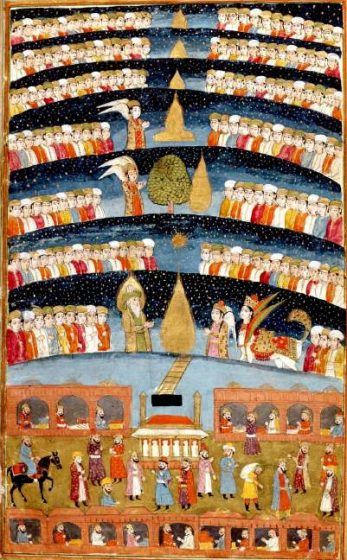
The Abrahamic religions differ, however, over two of these individuals: Jesus and Muhammad, who lived about 600 years apart. Among the three Abrahamic faiths, only Muslims believe that Muhammad was a prophet and that he was born in Mecca in about the year 570 C.E. They believe that he received the final revelation from God: the holy book called the Quran.
Historically, Christians and Jews did not accept Muhammad as a prophet. Similarly, Jews do not accept Christian or Muslim beliefs about Jesus.
The Scriptures
Believers in the Abrahamic faiths have preserved scriptures and traditions of the prophets, and the story of their unfolding in human history. They continue to write, recite, and study the words of revelation that were first communicated orally, then later recorded in books.
The three main scriptures include the Torah, Bible, and Quran.
The Torah
The scripture of Judaism is the Torah, which is the first part of the Tanakh. The Torah contains the revelation that was given to Moses. The Tanakh includes the Torah and the books of the Prophets, the Psalms, Proverbs, and other writings. It includes 24 books in all and contains history, law, poetry, and song. It is written on a scroll and recited in Hebrew as a part of Jewish worship.
The Bible
The scripture of Christianity is the Bible, including the Old Testament and the New Testament. The Old Testament is the Hebrew Bible of Judaism, which includes the first five books, called the Pentateuch by Christians. The New Testament includes the books that describe the life and teachings of Jesus and the history of the early Church. The Bible is comprised of writings compiled by many authors over time, as the titles of sections within it indicate. Christians believe that God inspired these authors. There are 66 books in most versions of the Christian Bible.
The Qu’ran
The scripture of Islam is the Quran. It consists of 114 chapters called surahs, and over 6,000 verses called ayat. Muslims believe that God revealed the Quran to the Prophet Muhammad through Angel Gabriel over a period of 23 years. The Quran describes and affirms the basic spiritual and moral messages of the Torah and the Bible. The Quran’s text states that it is a continuation of God’s message to humankind from earlier revelations.
The Messiah
Another concept common to the Abrahamic faiths is the Messiah, which refers to the one who is chosen by God for a specific holy task. Literally, it means one “upon whom oil is rubbed or poured to signify their appointment to a high honor and mission.”
Adherents of the Abrahamic faiths have varying views of the Messiah.
- Jews believe that a Messiah is still awaited, and coming at some future time. Jews do not believe that Jesus was the Messiah. Some Jews believe that Jesus was a spiritual leader.
- Christians believe that Jesus was the Messiah. They also believe that Jesus was the son of God, who came to redeem human beings from sin or wrongdoing. Christians believe he compensated for all human sins with his suffering and death. This salvation — or being saved and given eternal life — is the central teaching of the New Testament.
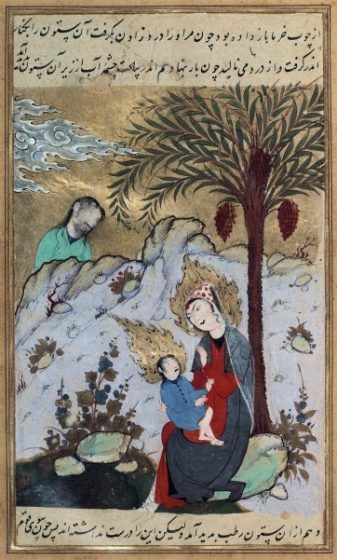
- Muslims also believe that Jesus was the Messiah, but they do not believe that he was the son of God. Muslims believe that God did not allow him to die at the hands of human beings.
- Both Christians and Muslims believe that Jesus was raised up to God, but Christians believe that Jesus was raised from the dead, or resurrected. Muslims believe that Jesus was one of the greatest prophets. Muslims also share the belief with Christians in the Second Coming of Jesus Christ near the end of time.
Concept of God
The monotheistic tradition of God includes the idea of a covenant, or promise, of God. The covenant is a trust placed upon human beings to believe in God, to worship only Him, and not to worship any other gods.
All three Abrahamic faiths share many ideas about the nature of God as the Creator of the Universe. What’s more, the scriptures describe God’s characteristics, or attributes. They include His justice, mercy, and power over all of Creation.
Another shared concept of God is that He is omnipresent, or present everywhere at all times, and not distant or removed from the world. And each human being can approach God and become nearer to Him, through prayer and other acts of worship.
Theology is the study of the nature of God. It developed as an important intellectual tradition in the Abrahamic faiths. Theologians have written thousands of books discussing the characteristics of God, trying to grapple with ideas that seem to contradict each other and affect the human condition.
For example, the idea that God created human beings with a free will seems to contradict the idea that God decides the fate, or outcome, of each person’s life.
Meanwhile, the idea of evil in the world and disasters that happen to innocent people seems to contradict the idea of a merciful, benevolent God. These questions concern people in traditions other than the Abrahamic faiths, but there is much shared philosophy among them.
The Afterlife
The scriptures of the Abrahamic faiths describe the promise of God to judge all human beings on Judgment Day. After humans have died, they will be rewarded or punished according to God’s justice. The promise of God is for eternal life after death, in a heavenly paradise. Equally, those who do evil will be punished in Hell.
All of the faiths believe that God requires human beings to show mercy to others and do good deeds, such as helping others. In return, He will reward those who have faith and do good works in this world.
Some Christians differ over the importance of having faith versus doing good works. They believe that human beings are only granted salvation by the grace of God and His mercy, not by virtue of good works.
However, the scriptures indicate that the most important thing for human beings is to have faith in God; He will grant mercy to whomever He wills, and forgive their sins or wrongdoing.