Medieval Spain fostered an enlightened culture in which three great Abrahamic traditions — Judaism, Christianity, and Islam — co-existed, interacted, and flourished.
In many ways, this period offers is a very similar model to the global world today, in the way that Christians, Muslims, Jews, and others intermixed, competed, and tried to cooperate. Despite conflicts throughout their histories, these three major faiths inextricably share common roots, beliefs, stories, and history.
Abrahamic Faiths
Among the major world religions, three are very closely related in their origins, beliefs, and revealed books, or holy scriptures. They are also closely related in their moral and ethical beliefs, as well as their views of the individual and social life.
They are Judaism, Christianity, and Islam. Their followers are called Jews, Christians, and Muslims, respectively.
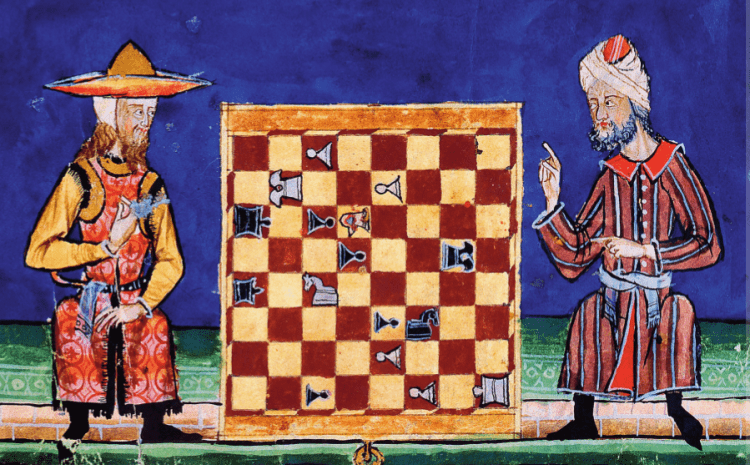
Jews, Christians, and Muslims are all monotheists, which means they believe in a one God. However, the three faiths do differ in some important aspects.
Historically, relations among the followers of these faith groups have included both conflict and cooperation. In modern times, adherents of the Abrahamic religions sometimes act as enemies. At other times, in essence, they appear like squabbling children of a single parent, who are in fact capable of reaching understanding and living in peace together.
Learn more about interfaith coexistence here.